
Kintsugi workshop
CHF 380.00
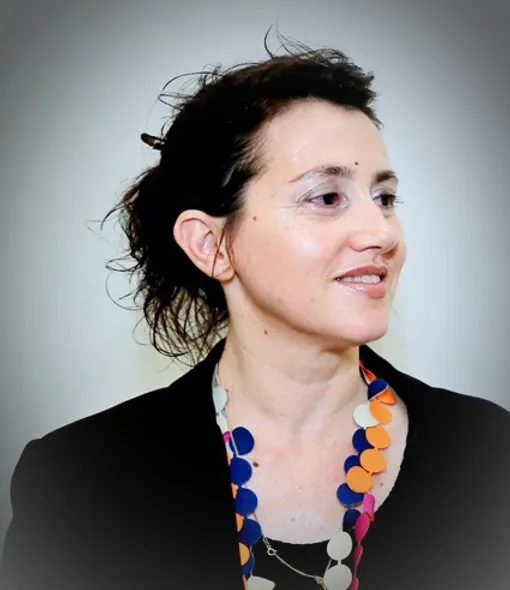
Kristina Mar
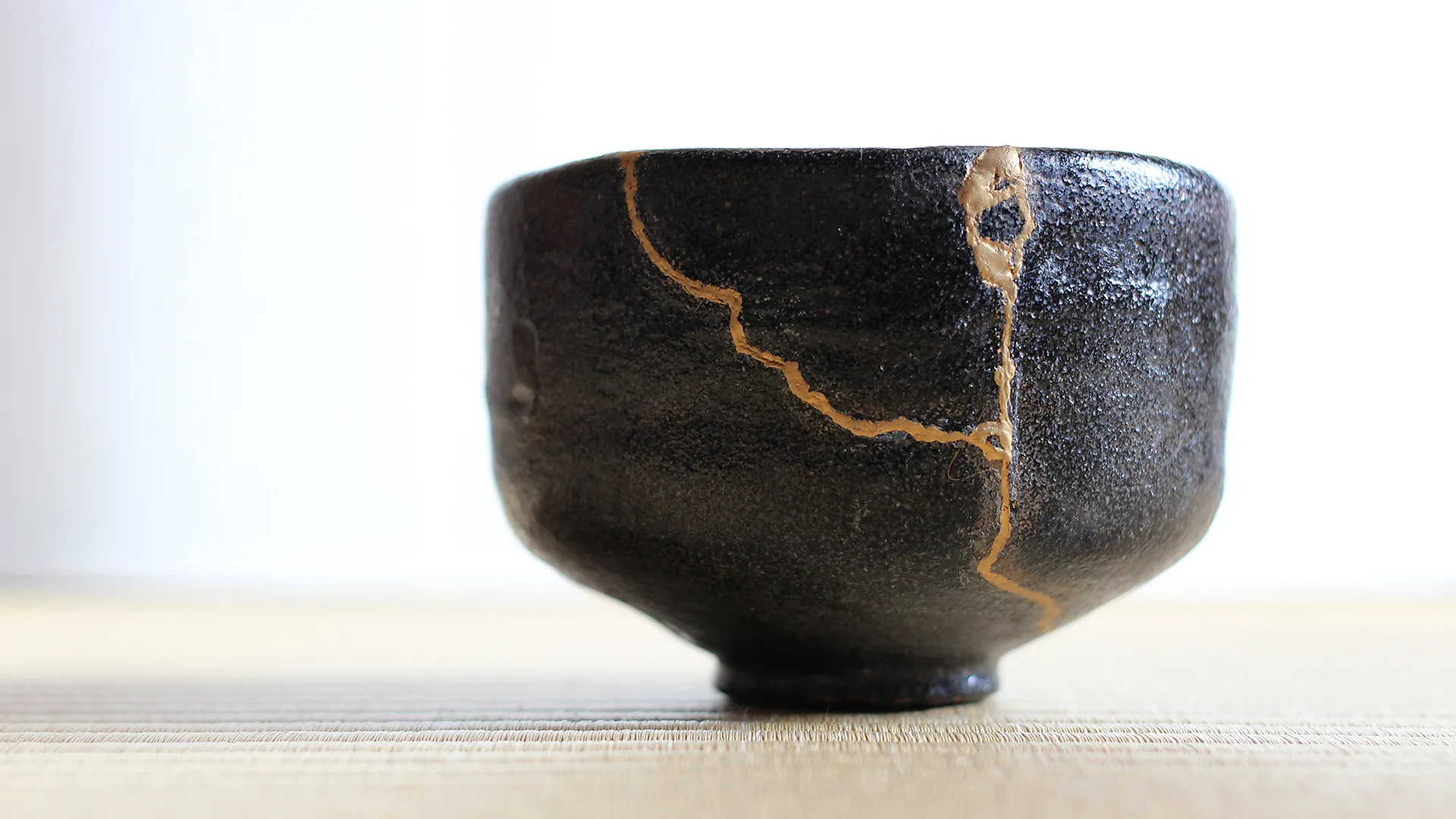
Kintsugi is a Japanese art form over 400 years old, in which cracks in ceramics are repaired and deliberately highlighted with lacquer, gold, silver, or platinum. In a holistic sense, Kintsugi represents an appreciation of imperfection and an acceptance of transience. This unique repair technique results in an object that is not only one-of-a-kind but often acquires a new, deeper beauty.
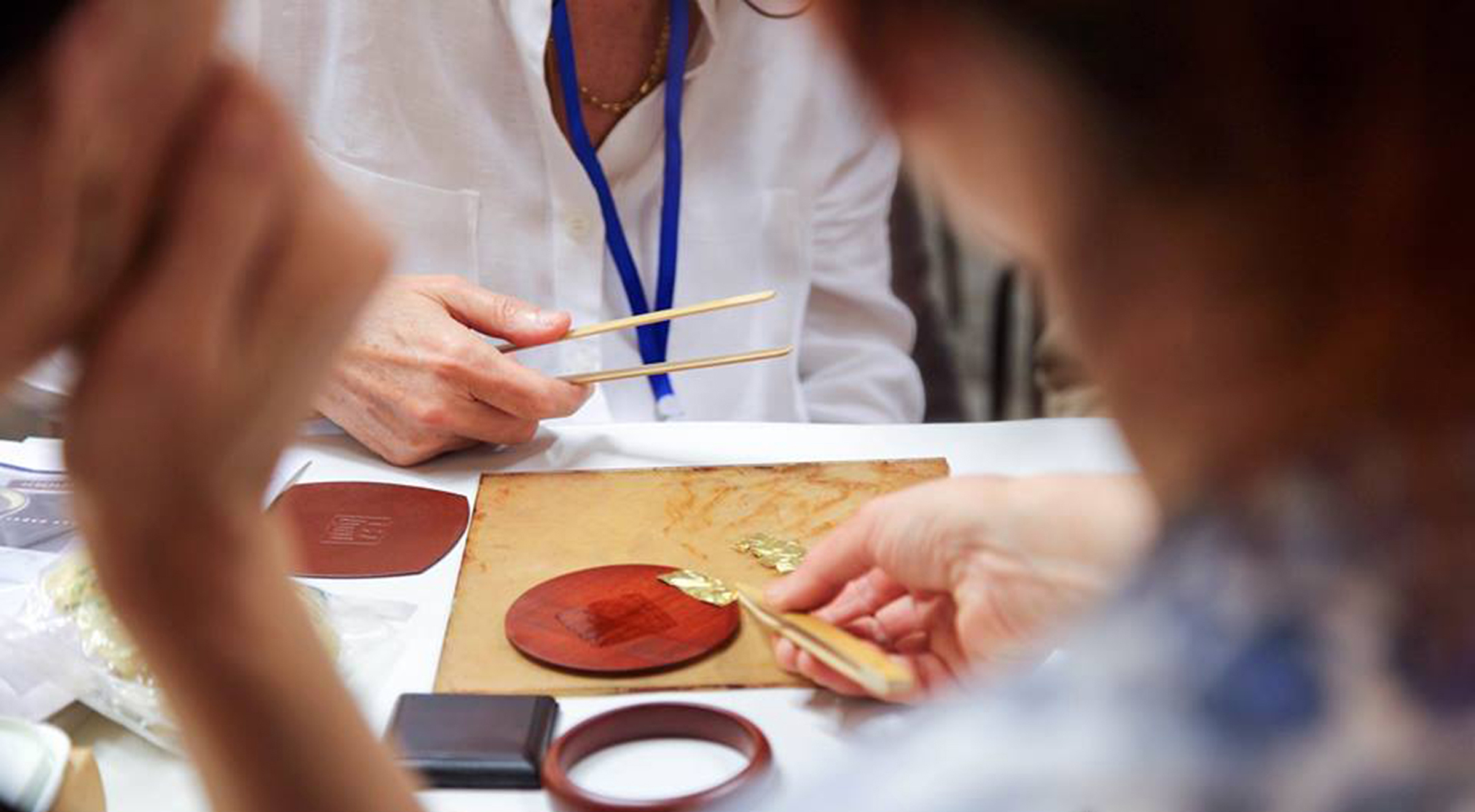
During this two-day workshop with Kintsugi mentor Kristina Mar, participants bring their damaged objects (max. 20 × 20 × 20 cm). Under expert guidance, these will be repaired using the Kintsugi technique and simultaneously reinterpreted artistically.
Upon request, Kintsugi Starter Kits for further use at home can be purchased for CHF 168 in our online shop, in addition to the included materials. All course participants will automatically receive a 20% discount code for the purchase of a Kintsugi Kit after booking.
Date: August 29th and 30th, 2026
Time: 10.00 am to 4.00 pm
Language: English, Portuguese and Japanese
| Start date | Fri 04 Oct 2024 (10:00), Sat 29 August 2026 (10:00) |
|---|
Related products
-
 Classes
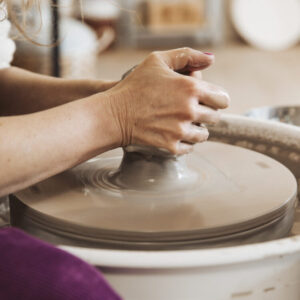
Crash course on the pottery wheel
CHF 440.00 Select options This product has multiple variants. The options may be chosen on the product page -
 Classes
Intensive week of pottery
CHF 1'100.00 Select options This product has multiple variants. The options may be chosen on the product page -
Hand assembly
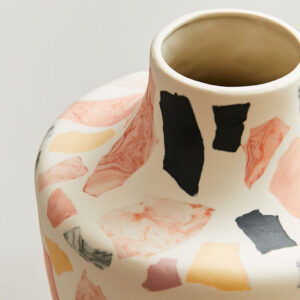
Cup set in manual assembly
Select options This product has multiple variants. The options may be chosen on the product page





Reviews
There are no reviews yet.